How Odisha Is Building a Credential Infrastructure for 50 Million Citizens
Inside the deployment that made TrustGrid's government platform a national standard for digital identity.
The Scale of the Challenge
In 2023, the government of Odisha set out to create a single, verifiable credential layer for every citizen interaction — from land records to social benefit disbursement. The challenge was not technical. It was architectural.
Existing systems were siloed. A credential issued by the Department of Education was not trusted by the Department of Agriculture. A benefit eligibility certificate from one scheme could not be reused in another without re-verification — a process that cost both time and money, and excluded many of the citizens who needed the system most.
The credential is no longer owned by the issuing department. It belongs to the citizen who holds it. That single principle changed everything.
What TrustGrid Brought to the Table
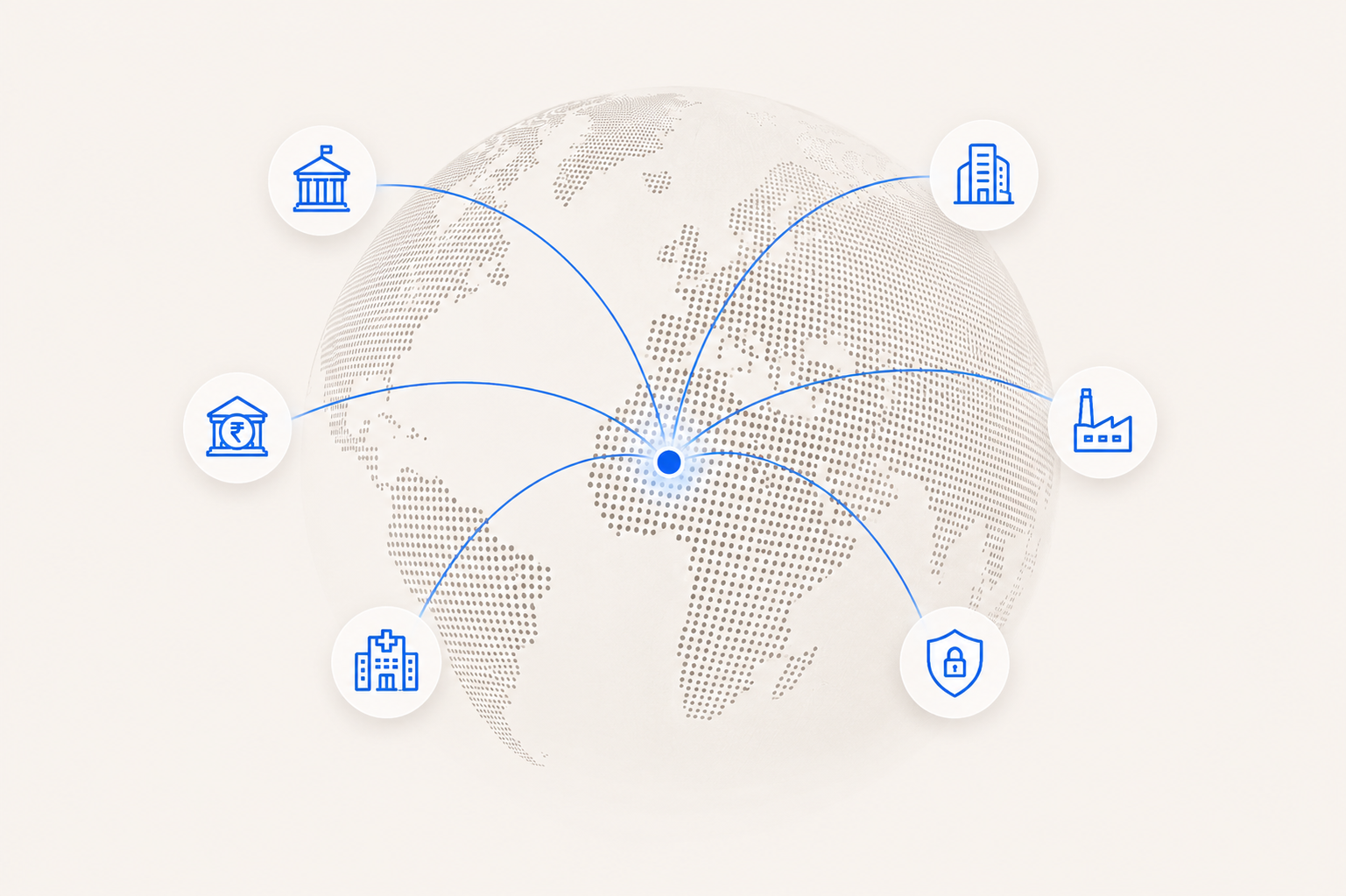
The SSI Platform was deployed as the shared trust infrastructure across six government departments in the first phase. The Issuer module was configured with schema definitions for twelve distinct credential types. The Verifier module was integrated into the citizen services portal.
- All credentials are issued directly from the TrustGrid Issuer module
- Verification is cryptographic — no callbacks to the issuing department
- Citizens carry credentials in the vrtYou wallet
- The NCC provides real-time visibility across all issuance activity
TrustGrid's SSI Platform reduced per-verification cost by approximately 94% compared to manual re-verification workflows in the first six months of deployment.
The deployment reached 50,000 credentials issued in its first 90 days. By the end of the pilot, the platform was processing verification requests at a rate of approximately 12,000 per day.
First 90 Days
Within the first quarter, adoption moved faster than the original rollout plan anticipated. Citizen services counters that once required physical document verification now complete the same check in under thirty seconds.
Implications for National Scale
What worked in Odisha is now shaping conversations at the national level. Because every credential is issued against open, W3C-ratified standards, the same infrastructure can extend to other states without a parallel integration effort for each one.
Conclusion
Odisha's deployment shows that the hard part of digital identity was never the cryptography. It was convincing institutions to stop being the source of truth for something that was never really theirs to own. The infrastructure exists. The remaining work is adoption.



Ready to build trusted digital ecosystems?
Talk to our team to explore how TrustGrid can power your digital initiatives.
Contact Sales